
















 Back to Blogs

In short: Lead automation improves your sales funnel by making sure every enquiry is captured, qualified, assigned to the right rep and followed up on time, without manual copying or chasing. It reduces lead leakage at the top of the funnel, speeds up response, focuses reps on high-intent prospects and gives managers stage-by-stage conversion data so they can fix where deals drop off. Start by mapping your funnel, then automate capture, assignment and follow-ups first.
What is lead automation?
Lead automation uses software rules to handle the repetitive steps of lead management: pulling enquiries from every source into one place, removing duplicates, scoring and qualifying them, assigning them to a rep, scheduling follow-ups and moving them through pipeline stages. Salespeople still have the conversations. Automation makes sure the right conversations happen at the right time.
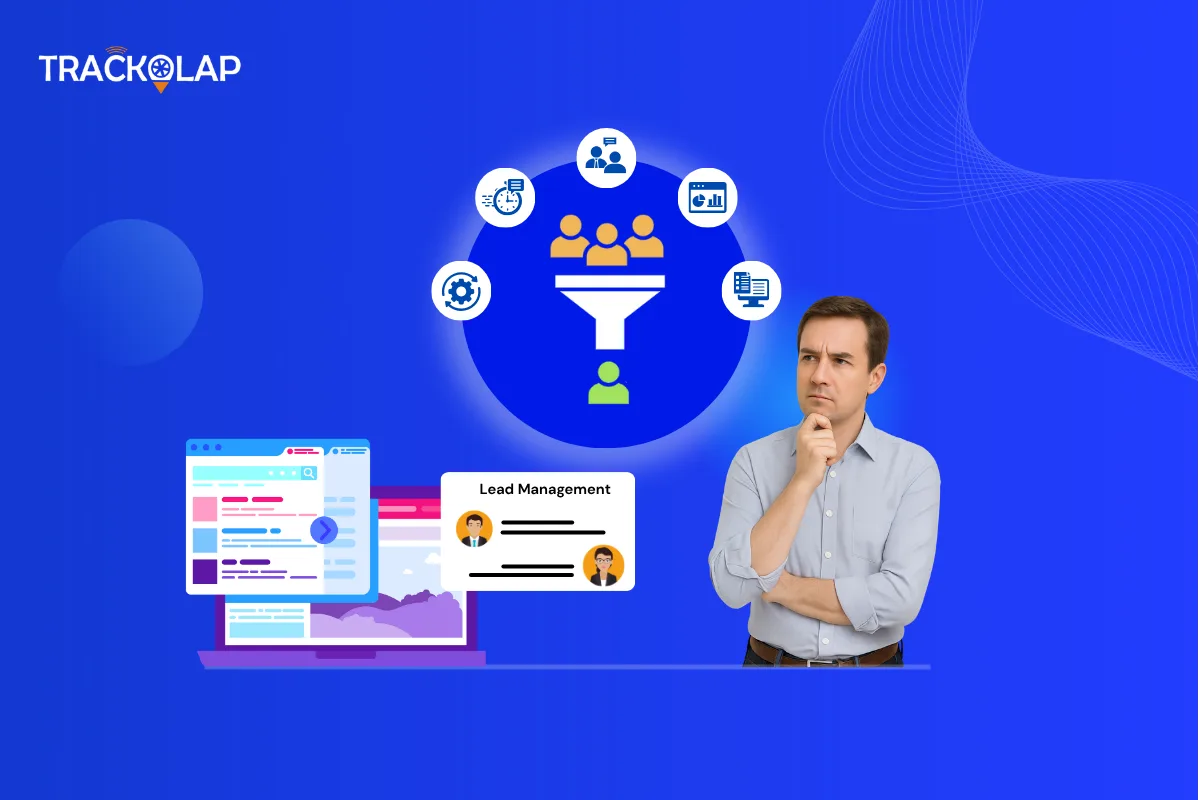
How does lead automation improve each stage of the sales funnel?
| Funnel stage | Manual problem | What automation does |
|---|---|---|
| Capture | Enquiries scattered across websites, portals, WhatsApp and calls; some never recorded | Pulls every source into one database, with the source recorded on each lead |
| Qualification | Reps spend time on low-intent leads | Scores leads on fit and behaviour so high-intent prospects surface first |
| Assignment | Leads wait until someone forwards them | Routes leads instantly by territory, product, workload or seniority |
| Follow-up | Follow-ups depend on memory; leads go cold | Schedules follow-ups and escalates missed first responses |
| Pipeline and closing | Stalled deals go unnoticed | Shows each deal's stage, value and age, and flags deals that stop moving |
| Analysis | No clear view of where leads drop off | Reports stage-wise conversion, source performance and rep performance |
What are the benefits of automating lead management?
- No lost leads: every enquiry is recorded and owned.
- Faster response: instant assignment removes the delay between enquiry and first contact.
- Better focus: reps spend time on the prospects most likely to buy.
- Consistent nurturing: follow-ups happen on schedule, not when someone remembers.
- Clear insight: managers see which sources and reps convert, and where the funnel leaks.
What are the best practices for automating your lead management process?
1. Understand your customer journey
Map how buyers move from first enquiry to purchase before you write any rules.
2. Define lead stages clearly
Agree what "new", "qualified", "proposal" and "won" mean so reports are comparable across reps.
3. Automate assignment and internal hand-offs
Route leads by rules that match your team structure, and set response-time expectations with escalation.
4. Automate follow-ups and nurturing
Schedule follow-ups for leads that have not responded, and keep them relevant to where the buyer is in the journey.
5. Keep communication in one record
Calls, messages, meetings and notes should sit on the lead record so anyone picking it up has the full context.
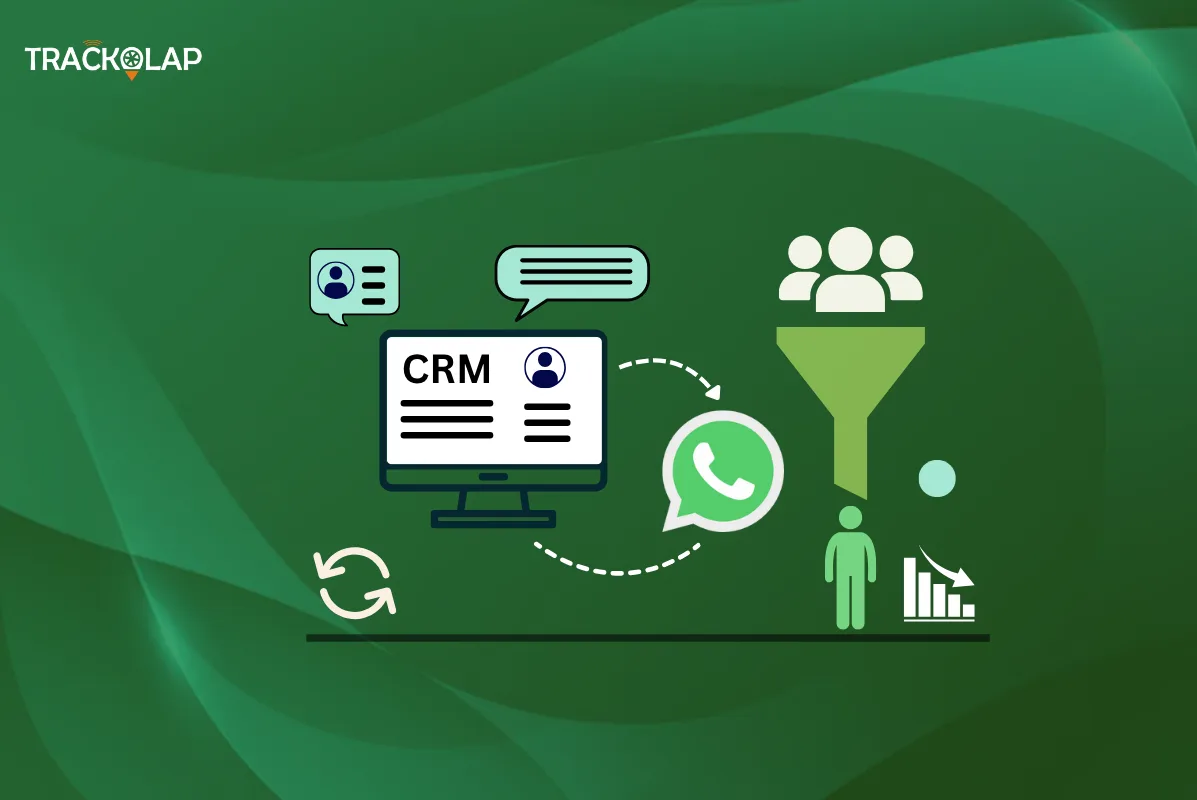
6. Connect every lead source
Integrate website forms, lead portals, ads and messaging channels so capture does not depend on manual entry.
7. Review conversion data regularly
Use stage-wise conversion and source reports to adjust spend, scripts and coaching.
What are the limitations of lead automation?
Automation cannot fix a weak offer or poor sales conversations. Badly designed scoring or routing rules can send good leads to the wrong place, and too many automated messages can put prospects off. Review rules regularly with the sales team.
What should you look for in lead automation software?
- Multi-channel capture, including the portals and messaging apps your buyers use.
- Duplicate detection and lead scoring you can configure.
- Flexible assignment rules with response-time tracking.
- Automated follow-up scheduling.
- A visual pipeline and stage-wise conversion reports.
- Support for field sales if your team meets customers in person.
How does TrackOlap automate lead management?
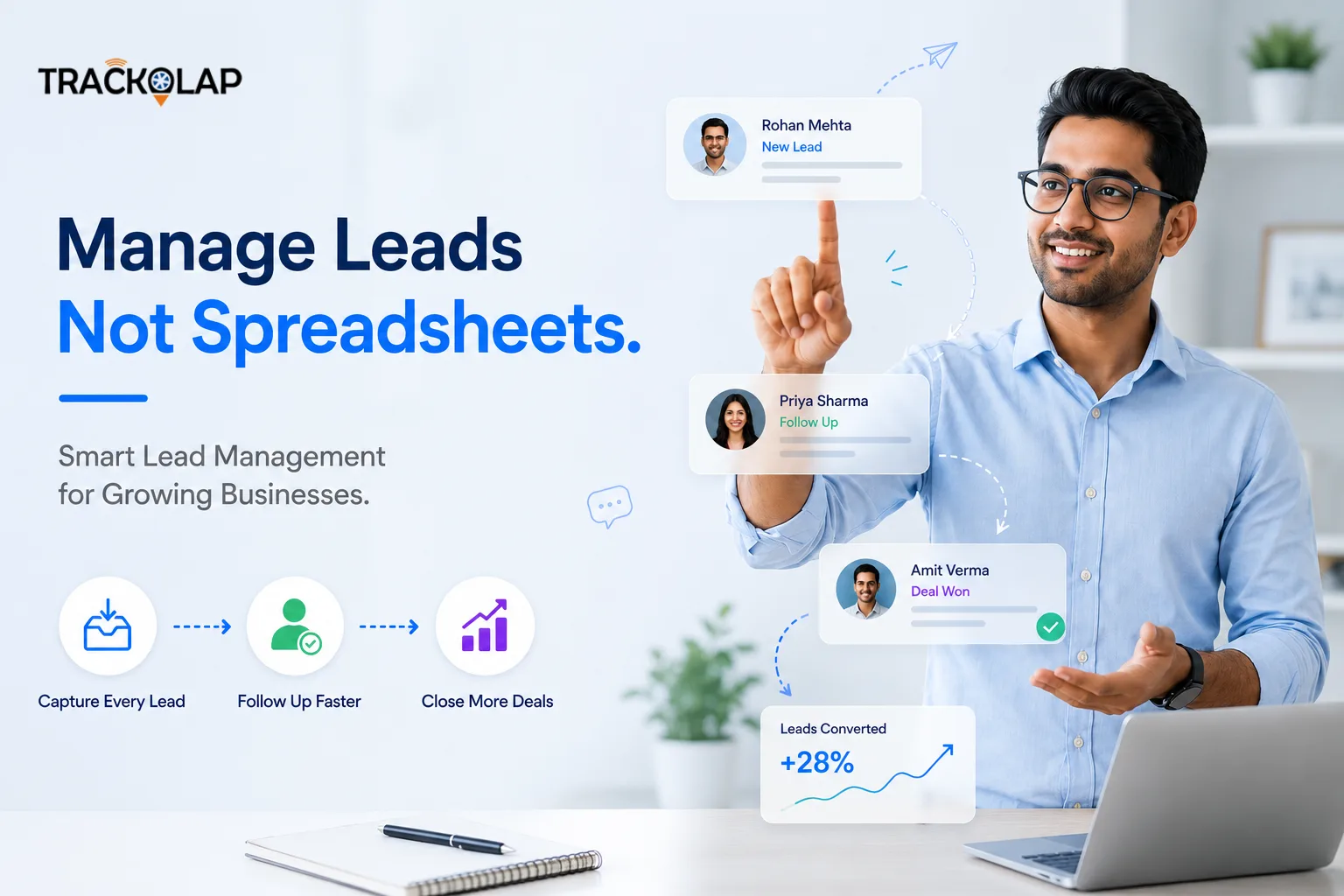
TrackOlap's lead management system captures leads from website forms, WhatsApp Business, IndiaMART, JustDial, TradeIndia, Facebook and Google Lead Ads, calls and email into one database. It scores and qualifies leads, assigns them by round-robin, territory, product, workload or seniority with response-time escalation, automates follow-ups, and tracks deals through a visual pipeline to closure. For in-person selling, it validates meetings with geo-tagged check-ins through field sales automation, and deals continue in opportunity management.
Not sure you need it yet? Read five signs you need lead management software and how WhatsApp CRM integration reduces lead drop-offs, or explore the TrackOlap sales CRM.
Frequently asked questions
What is lead automation?
Using software rules to capture leads from every source, remove duplicates, score and qualify them, assign them to reps, schedule follow-ups and move them through pipeline stages.
How does lead automation improve the sales funnel?
It stops leads being lost at capture, speeds up first response, focuses reps on high-intent prospects, keeps follow-ups on schedule and shows where the funnel leaks.
Which lead sources can be automated?
Typically website forms, lead portals, ad platforms, messaging apps such as WhatsApp, calls and email, depending on the software’s integrations.
Does lead automation replace salespeople?
No. It handles repetitive steps so salespeople can spend more time on conversations with the right prospects.
What should I automate first in lead management?
Start with capture from all sources and instant assignment with response-time tracking, then add follow-up automation and scoring.


 D-5, Logix Infotech Park, Sector 59, Noida - 201301, Uttar Pradesh (India)
 contactus@trackolap.com
 7011494501






 Demo
at free of cost
Demo
at free of cost