














 Back to Blogs

Many businesses work hard to increase their field sales, yet things do not go as smoothly as they want. People spend too much time writing reports manually, managers find it extremely difficult to keep an eye
on the day's work, and customer visits can sometimes be valuable. When you lack the necessary tools, minor inconveniences accumulate and drag your whole sales process.
And here, field sales automation comes into role. With automation of routine actions, real-time monitoring of your employees and data remaining in one place, you may create field sales quicker and wiser. In
this blog, we will discuss what is holding back your field sales and how automation can assist you in fixing the same.
The Challenge of Managing Field Sales Without Automation
In the real world, managing a field sales team is not that simple. In the absence of automation, businesses lose various opportunities which affect their sales record, and customer satisfaction:
Lack of Real-Time Visibility:
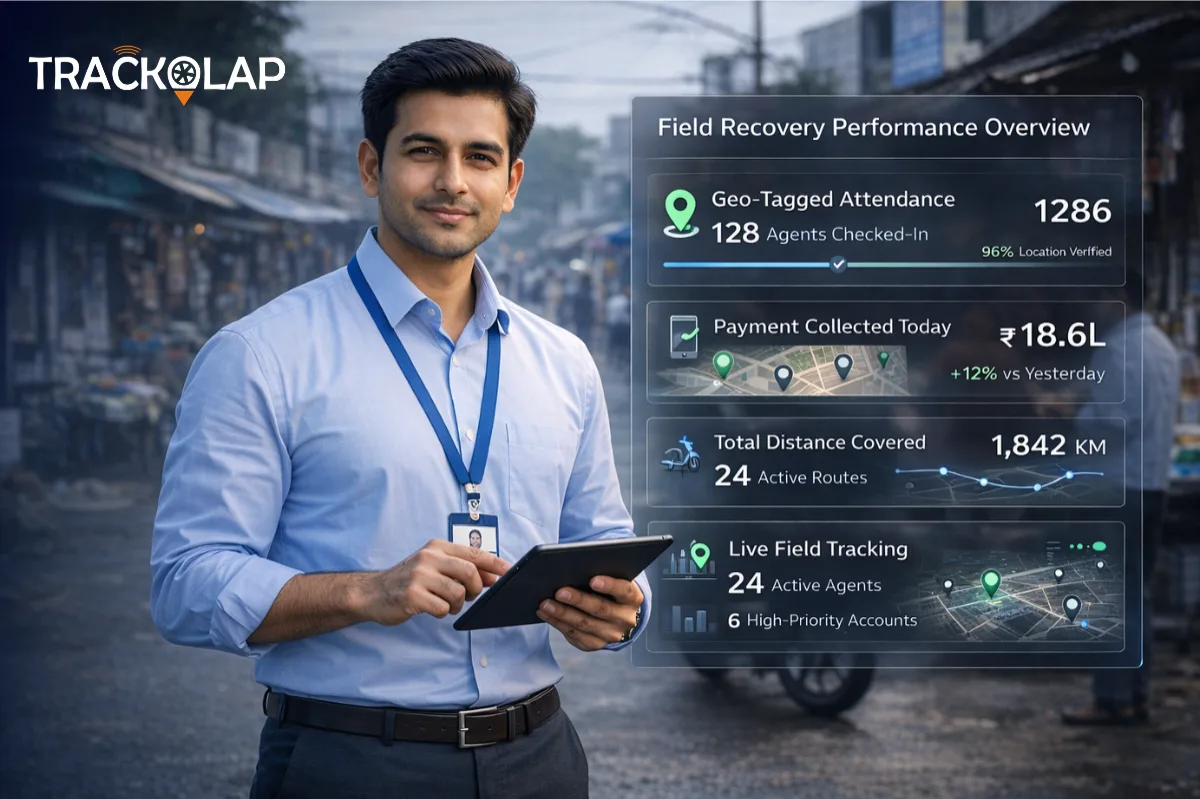
Accountability is lacking when the managers have no clue about the location of the field reps, the meetings they have attended, and the distances covered. Here, a field sales automation that also compiles a location tracking app comes to a massive effect with real-time notifications.
Inefficient Attendance Management:
Manual attendance monitoring techniques, including paper registers or verbal reports, are prone to inaccuracies and unfair practices. The ability to verify if team members are on the field requires automation.
No Clear Insights into Customer Visits:
Field reps can visit the customers but the question is how can every visit be productive? Automation is useful in assigning and monitoring customer interaction and recording it methodically.
Wasted Time on Repetitive Tasks:
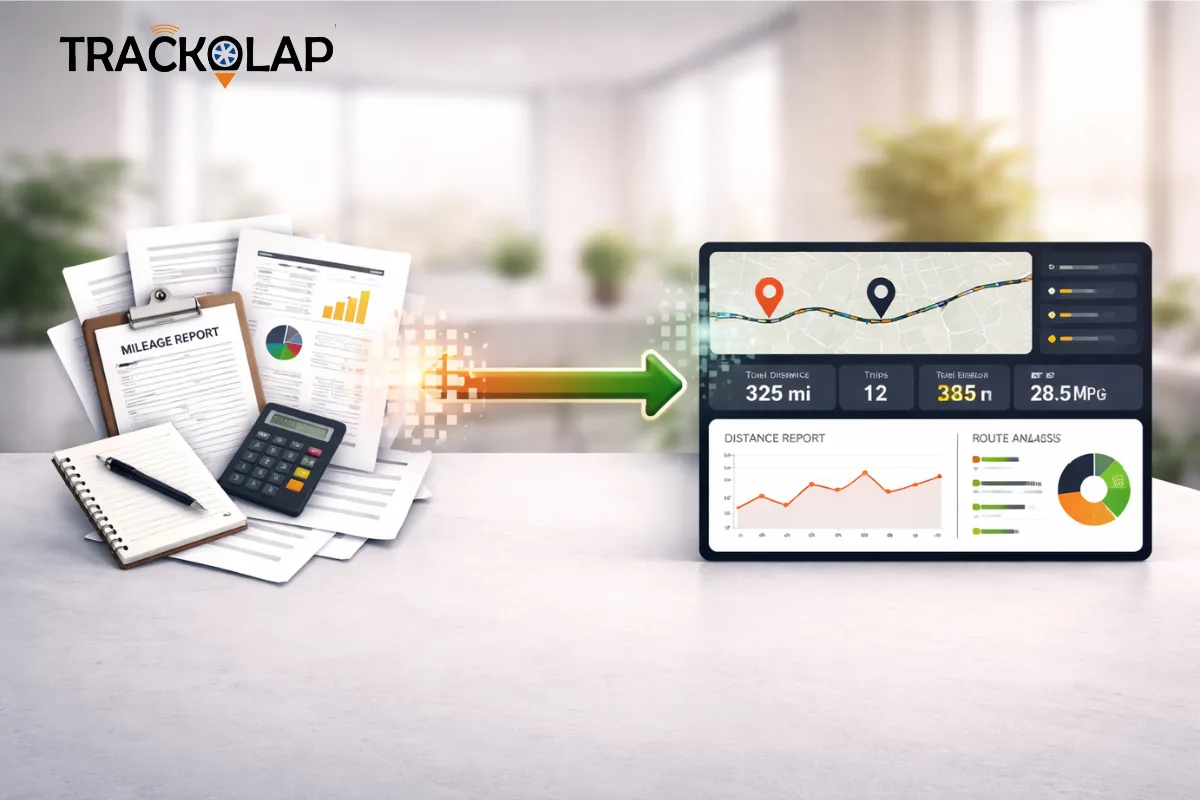
Time spent on making manual reports, recording mileage, and claiming revenues are used up instead of selling. These routine jobs can be automated so that it leaves your group to seal deals.
Difficulty in Data Management:
In the absence of a centralized system, customer data tends to remain distributed in paper notebooks, spreadsheets or at the individual device level. Such disorganization affects follow-ups and long-term customer relationships.
Why Businesses Can’t Afford to Ignore Field Sales Automation
You still have a question of why automation is that important. Now let us see what businesses will benefit when they convert to automation in field sales:
Real-Time Location Tracking
An effective location tracking app enables the managers to see live locations of the field employees thus creating a sense of transparency. You will not only be able to confirm the attendance with the help of geo-tagged punch-ins but can also help your guys in the field by redirecting or reassigning the visits on the fly.
Simplified Attendance Management
Automation software allows your field workers to punch in and out by their mobile devices and there is no need to fill out manual timesheets. Smart attendance systems can integrate with location information to prove that an individual is in the designated locations.
Journey Replay for Performance Analysis
With field sales automation software, the manager can listen to the route made by members of the team and see the time spent at each point of clients, as an evaluation of the route's effectiveness and the workers' output.
Customer Visits Made Smarter
It is more convenient to assign the visits of the customers based on their proximity and priority. Through turn-by-turn navigation, you can guide the reps and ensure that they spend less time during commutes and more time selling.

Expense Management Simplified
There is no more trailing of receipts or manual claims. In field sales automation, team members may provide reports of expenses with only a few clicks, and these expenses may be approved by the managers at the same time.
Centralized Dashboard for Full Control
By automating, managers have the capability of monitoring and managing all field sales activities through one dashboard by checking attendance of staff and customer meetings and expenses among others. This decreases the amount of reliance on numerous tools and simplifies processes.
The Cost of Staying Manual: What Are You Losing?
According to McKinsey, when sales are automated, productivity can increase by as much as 15-20%, meaning that it is time the sales team should otherwise be spending actually selling.
According to a survey done by Forbes, consumers using automation reported a 10% increase in customer satisfaction due to quicker response times and follow-up accuracy.
When companies remain manual, they risk:
- Lost sales possibilities as a result of a delayed lead response
- Higher costs due to inefficiencies
- Lower employee morale caused by repetitive tasks
- Losing that competitive edge to businesses already embracing automation
How Field Sales Automation Helps Build a Future-Ready Team
- Modern field sales automation software is beyond just a tracking tool: it is a full range of services from:
- Mobile Apps allow the team to manage tasks on the go
- Custom forms used to gather instant customer feedback
- Meeting report summaries delivered in real-time
- Customer database management to securely store, access and update client detail
With these features, the field sales force is in a position to be proactive rather than reactive. With efficiency, time can be well managed in the service of customer needs, so the company moves from strength to strength.
Check out leading automation solutions that include TrackOlap, a platform known for offering sales automation.
Signs You Need Field Sales Automation Now
- Are you still manually tracking the sales activities?
- Does your team spend more time reporting than selling?
- Are the managers having difficulty keeping an eye on the field operations in real time?
- Does your customer data lie in several bits and pieces spread over various tools?
- You should consider investing in automation if any of these questions were a yes.
Final Thoughts: Don’t Let Slow Processes Hold You Back
The modern field sales landscape is highly competitive. Businesses that delay adopting field sales automation are not just holding back the sales cycle; they are leaving money on the table. Automation moderates real-time visibility, streamlined operations, smarter customer engagement, and empowered sales teams. Choose TrackOlap to boost your field sales operations. From location tracking and attendance management to smart expense reporting and journey replay methodologies, TrackOlap has everything in one supercharged platform. Facilitate your field teams with real-time visibility and productivity. Manual processes: they only delay you. Choose TrackOlap now to become a step ahead!
Frequently asked questions
What is the best employee tracking software in India?
TrackOlap is among the best employee tracking software in India, offering GPS tracking, productivity reports, attendance management, and remote workforce monitoring for businesses of all sizes.
Which is the most affordable employee tracking software?
TrackOlap provides affordable employee tracking solutions starting from $5 per user/month, making it one of the most cost-effective options without compromising on features.
Does TrackOlap support remote employee monitoring?
Yes, TrackOlap supports remote employee monitoring with features like real-time GPS tracking, automated timesheets, productivity analytics, and mobile app support for remote and hybrid teams.
Is employee tracking software legal?
Yes, employee tracking software is legal when used transparently and in compliance with labor laws and privacy regulations. Employers should clearly inform employees about monitoring practices.
What industries benefit most from employee tracking software?
Industries like FMCG, healthcare, logistics, construction, IT services, and remote-first companies benefit greatly from employee tracking solutions as they require productivity and attendance monitoring.
Can TrackOlap integrate with payroll and HR systems?
Yes, TrackOlap integrates seamlessly with payroll and HR systems to automate salary processing, attendance records, and compliance reports.
How secure is employee data in TrackOlap?
TrackOlap ensures enterprise-grade security with encrypted data storage, secure access controls, and GDPR-compliant privacy policies.
What devices support TrackOlap?
TrackOlap works across web dashboards, Android, and iOS apps, allowing managers and employees to access tools on desktops, tablets, and smartphones.



 D-5, Logix Infotech Park, Sector 59, Noida - 201301, Uttar Pradesh (India)
 contactus@trackolap.com
 7011494501






 Demo
at free of cost
Demo
at free of cost