













 Back to Blogs
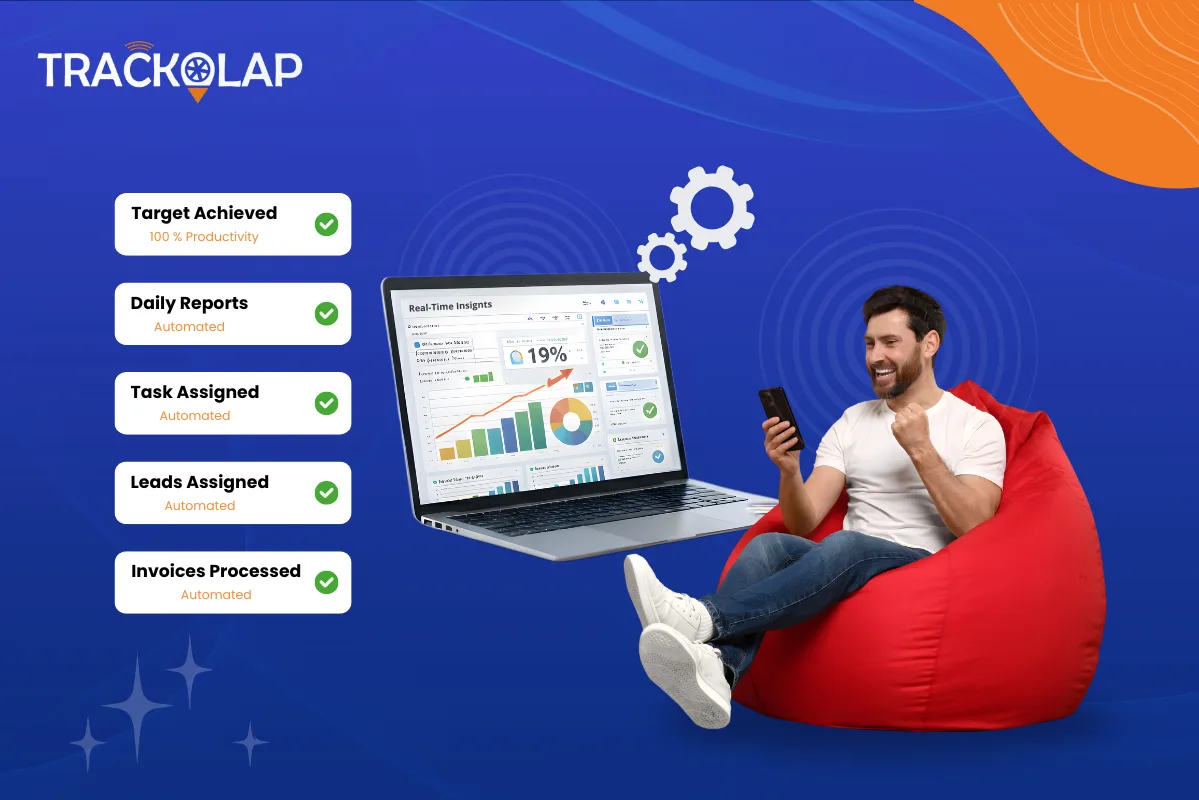
Just Imagine: You are in the business and have to balance between emails, Excel, approvals and endless meetings, but deadlines slip, tasks are repeated, and employees are tired. The reality is that most organisations are yet to embrace manual processes because they consume time and efficiency.
A recent study revealed that employees spend 60% of their time on repetitive, administrative tasks.
In other words, it involves managing your team's performance above the majority of its capacity in non-growth-generating activities. And that is where Business Automation Software comes into the limelight. Through automation of repetitive tasks, streamlining communication, and facilitating smarter workflow, companies not only save time, but they also put themselves in a better position than rivals who are still using outdated procedures.
Let's take a closer look at why automation is more important than ever for organisations, what this software actually entails, and how it may improve your operations in quantifiable ways.
Why Do Businesses Need Business Automation Software?
Running a business in the present time is much more complicated than it was ten years ago. Growing customer demands, competitive market forces, and the transition to a hybrid workforce have posed special challenges. The following are some of the most typical issues encountered by business owners:
Too Much Manual Work: Employees often lack time for high-value tasks because they spend hours entering data or obtaining permissions.
Delayed Decision-Making: The separation of data among tools and spreadsheets slows down decision-making.
Errors and Compliance Risks: Errors that could compromise financial accuracy and compliance are more likely to occur when data is entered manually.
Poor Productivity: Due to the absence of standardised workflows, there are blockages and inefficiencies.
A survey has found that 73% of organisations already use or are considering automation solutions to address these problems. Any business that is not willing to automate will lag behind the competition.
To summarise, Business Automation Software is not so much about time-saving, but survival in the high-paced market.
What Exactly Is Business Automation Software?
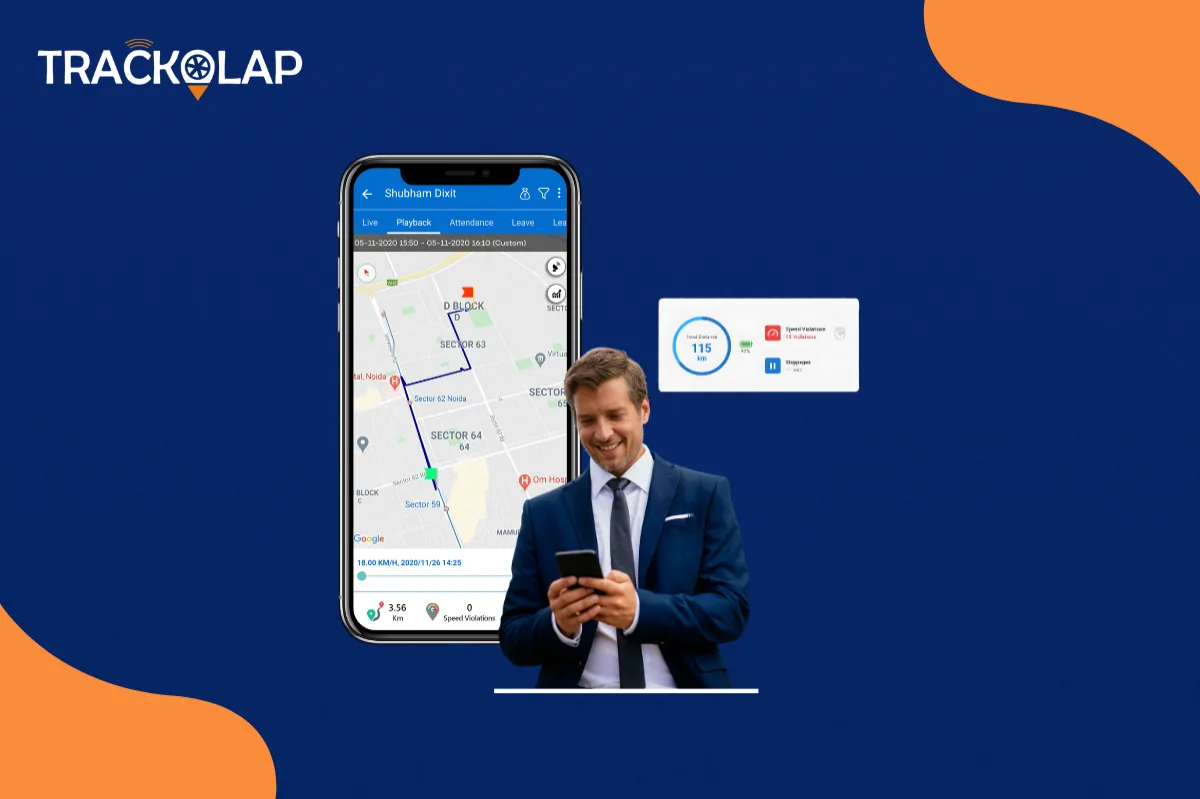
Consider Business Automation Software as your personal assistant. It is a bunch of tools that can be used to substitute all the manual effort with smart workflows.
Simply, it accomplishes three things:
- Automates routine processes, such as approvals, notifications, and data entry.
- Connects Business Systems in such a way that there is a flow of information between departments such as sales, HR, finance and operations.
- Provides Real-Time Insights that help business leaders to monitor performance, identify areas of inefficiency and make decisions more quickly.
It is not a departmental thing. For example:
- Automation is accelerated in sales on lead assignment and follow-ups.
- It takes care of attendance tracking, payroll syncing, and leave approvals in HR.
- In finance, it automates the invoicing and expense claims.
That is, workflow automation software is the driver of a smarter, more agile organisation.
How Businesses Benefit from Business Automation Software
Owners of businesses frequently enquire, "What's in it for me?" Let's examine the observable advantages:
1. Higher Efficiency Across Departments
Employees have increased time to concentrate on growth strategies such as engaging with customers, innovating products or increasing sales when repetitive tasks are replaced with automation. Indicatively, Gartner says automation has the potential to cut operational costs by up to 30%.
2. Fewer Errors, Greater Accuracy
Paperwork is subject to errors- incorrect data records, missed schedules or even neglected compliance procedures. Automation brings about consistency and saves from human error, which creates trust among the teams and customers.
3. Better Decision-Making with Real-Time Data
Workflow automation software enables managers to look at live dashboards, monitor KPI, and perform trend analysis in real-time. It removes guesswork and aids in a data-driven decision-making process.
4. Scalability Without Extra Cost
Manual processes can also require an increasing number of staff and resources as your business expands. Automation, however, enables you to expand operations without necessarily increasing the cost.
5. Improved Employee Experience
Workers can cease spending hours of their time on humble administration. This not only enhances productivity but also decreases stress and enhances job satisfaction.
Real-World Applications of Business Automation Software
Theoretically, automation is simple to discuss, but what about the areas of greatest impact? Now, we will discuss some real-world uses:
Sales and Lead Management
Rather than assigning leads manually or following up manually and keeping a spreadsheet to follow up, automation will get all the inquiries to the correct salesperson immediately. This shortens the response time and makes conversion rates more.
Human Resources
Automation can be used to onboard new employees as well as in the process of attendance, approvals and payroll, to give employees a smooth experience and reduce the administrative burden.
Finance and Accounting
Invoicing, expense claims and financial reporting can take time. Automation software in the workplace removes wastage and inaccuracy in all transactions.
Customer Support
Automated ticketing systems give the queries the first priority, allocate them to the appropriate agents and occasionally update the customers promptly, which enhances satisfaction.
All these practical uses demonstrate that automation is not just a technology trend. It has direct effects on day-to-day running, employee performance and the eventual growth of the business.
Key Points You Can’t Ignore
The following are some eye-opener statistics that display the true strength of automation:
A majority of business leaders, 94% of them, indicate that digital transformation is the most significant challenge on their list, and automation plays a central role in the process (Forbes).

- Automation leads companies to report speed improvement of processes by 67% (Deloitte).
- Automation increases the productivity of businesses by 30-40% (McKinsey).
- Automation may add as much as 15 trillion to the world economy by 2030 (PwC).
These are not just numbers. They point out an important fact: automation is not a choice, but an unavoidable concern of companies that wish to succeed.
Conclusion: The Future Belongs to Automated Businesses
The business environment is changing at a very fast rate, and it is no longer viable to use manual processes.
Business Automation Software helps you be ahead of the curve by reducing mistakes and enhancing the decision-making process.
Such platforms as TrackOlap provide a full set of solutions that include automation with such smart features as employee monitoring, workflow, and real-time reporting. Whether it be in streamlining approvals, maximising team effectiveness, or acquiring insight into operations, TrackOlap makes sure that your business is ready to handle the future.
And then the most interesting part is: TrackOlap is even more than automation. It provides processes such as sales process software and live tracking to keep your teams on track, efficient, and customer-oriented enough to give you a competitive edge.
Frequently asked questions
Is Business Automation Software suitable for small businesses?
Yes. Large enterprises are not the only ones to be automated. This is even better for small businesses since it offers them a way to grow without the huge overhead expenses.
Does automation mean replacing employees?
Not at all. Business Automation Software aims to help employees no longer have to perform menial duties and work on more valuable tasks, such as strategy, creativity, and engagement with customers.
What is the difference between workflow automation software and business automation software?
Workflow automation software aims at automating particular tasks or processes, but business automation software deals with a wider range, incorporating various functions, such as sales, HR, finance, and operations, within one ecosystem.
How quickly can a business see results from automation?
Within a few weeks, most businesses begin to see efficiency increase and fewer errors. The long-term gains, such as scalability and cost savings, multiply with time.
Why should I choose TrackOlap for automation?
TrackOlap is business-oriented. Not only does it provide automation, but it also offers live tracking software for employees, sales process software, and productivity tools, which guarantees you have a 360-degree solution to operate operations smarter and faster.



 D-5, Logix Infotech Park, Sector 59, Noida - 201301, Uttar Pradesh (India)
 contactus@trackolap.com
 7011494501






 Demo
at free of cost
Demo
at free of cost