










 Back to Blogs
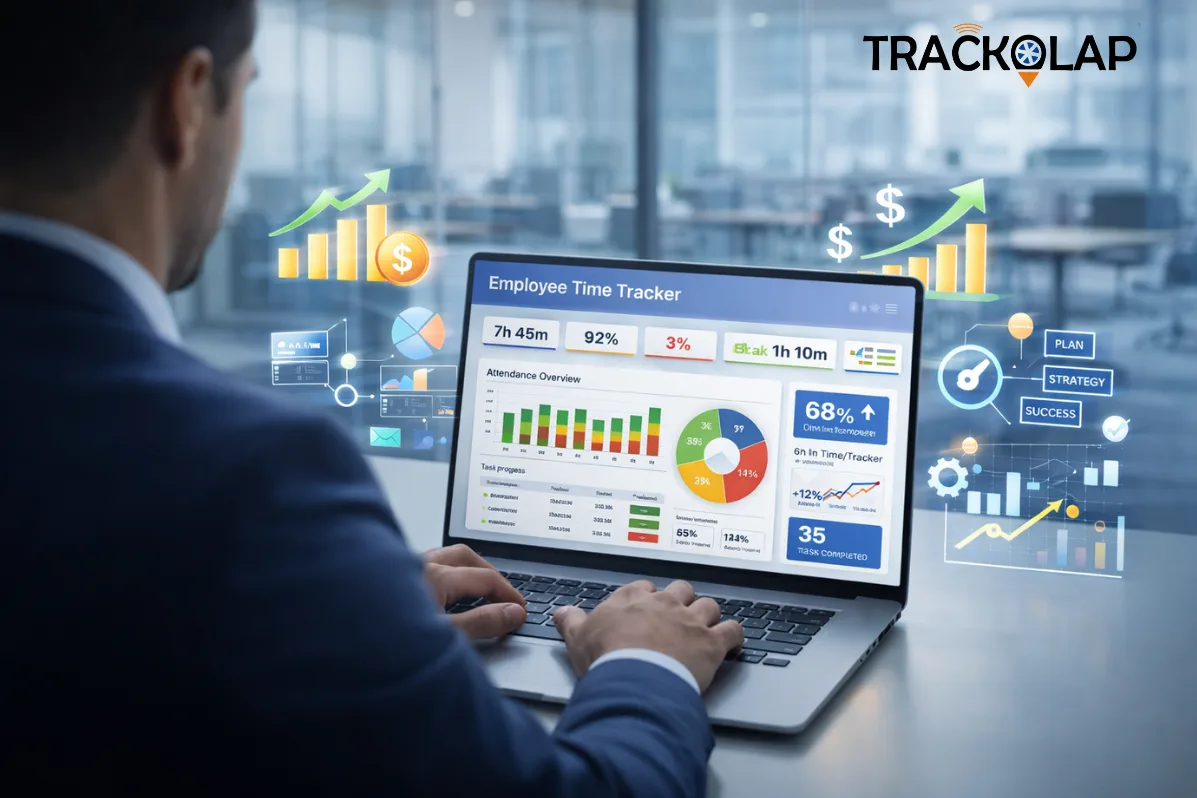
In many organizations, work no longer happens in a single office location. Teams may operate from homes, workplaces, or various locations, making it difficult for managers to keep track of how much time is spent working.
Companies typically use spreadsheets, manual updates, or end-of-day reports to track employee working hours without organized visibility. These procedures produce time delays, inconsistencies, and operational ambiguities.
That is why employee Monitoring software is trending among many organizations. Businesses can utilize a structured system to monitor labor hours, productivity trends, and attendance rather than relying on guesswork or manual records. It enables managers to concentrate on operational planning and ensure that activities and employee work hours are properly recorded.
The Operational Challenge of Tracking Work Hours
Employee time tracking has long been crucial for performance management and payroll accuracy. However, the use of traditional methods like manual attendance registers, Excel spreadsheets, or even oral reports can cause mistakes.
Managers may face common challenges such as:
- Incomplete or delayed timesheets
- Difficulty verifying work hours
- Lack of clarity on employee productivity
- Time-consuming manual reporting
The problem can be addressed using Employee Productivity Monitor designed to assist in tracking employee work hours in a structured manner. Another difference is that instead of receiving scattered updates, organizations receive a centralized system in which automatic attendance, time logs, and productivity data recording are done.
This degree of visibility helps businesses in minimizing administrative effort and still having control over what is going on.
Moving Beyond Basic Time Logs
Earlier time tracking systems were used to track the time when employees went to work and when they left. Although this information was helpful, it did not give more in-depth information on how work time was spent in reality. Today's time tracking software is far more than just clock-in and clock-out records.
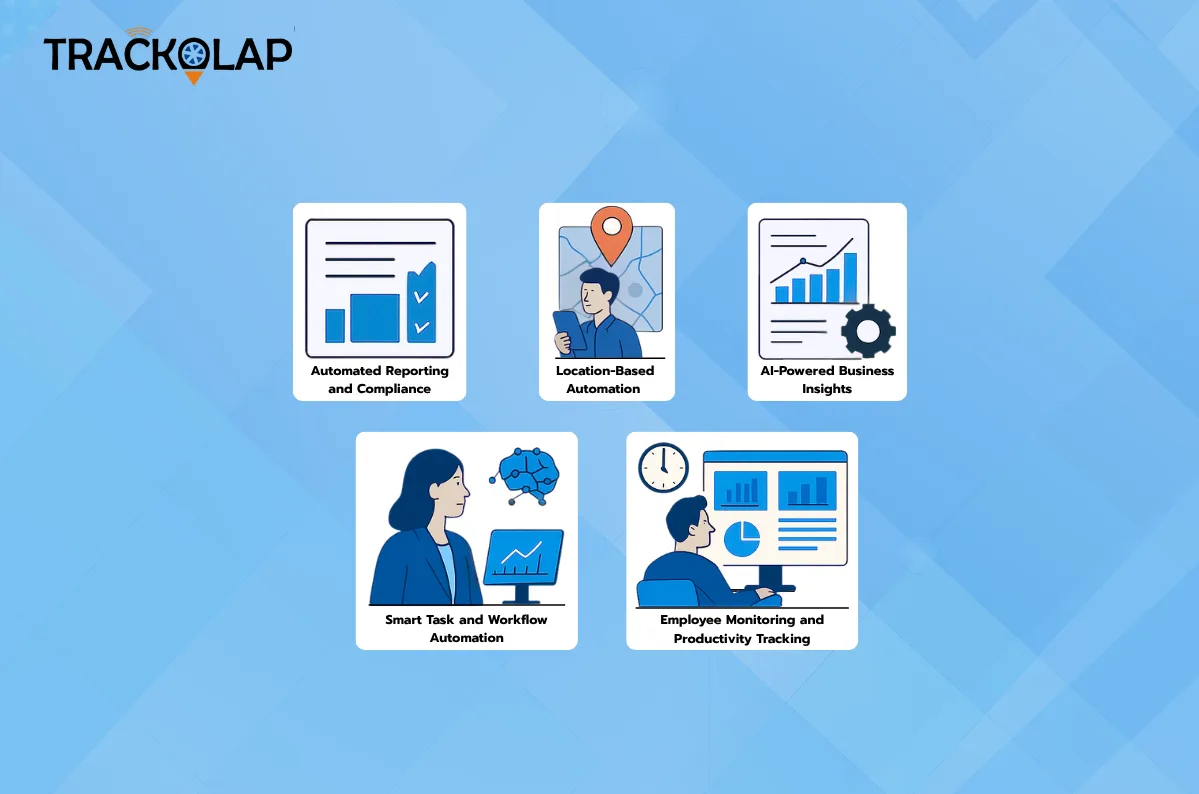
Organizations can now track:
- Daily work hours and attendance
- Time spent on specific tasks or projects
- Activity logs during work hours
- Detailed productivity reports
It enables the managers to shift from an attendance management software to a more comprehensive picture of team productivity.
For example, when a task is not completed in the allotted time, managers can promptly examine the data to determine where the delays occurred. It simplifies the optimization of work processes and makes it easier to plan upcoming work.
Improving Productivity Visibility for Managers
Enhanced visibility by managers is one of the greatest benefits of employee time tracking software. Managers in most workplaces are taking unnecessary time to follow up with employees to know the progress of their work. It disrupts productivity quite often and introduces redundant communication circles.
By having employee time tracking software, managers gain real-time information on the work being done by the employee without constant updates.
Rather than putting questions such as:
- How many hours are devoted to this work?
- Who has worked on this project today?
- Why is this report delayed?
Managers can just examine the information that was captured by the system. It enhances the decision-making process, besides enabling employees to concentrate on their duties as opposed to making frequent status reports.
Supporting Accurate Payroll and Compliance
Productivity is not the only issue regarding time tracking; payroll accuracy and compliance are also significant parts of the problem.
In cases where the staff working hours are manually registered, the payroll departments can encounter the following problems:
Wrong calculations of work hours.
- Missing attendance data
- Controversies on overtime or working hours.
These risks can be avoided through the use of modern employee time tracking software that ensures that the correct digital records of employee work hours are maintained.
Such records would be applicable in supporting payroll processing, overtime calculations, and internal audits. The availability of good time information also assists companies in keeping the lines open with their workers and in practicing equitable compensation policies.
Encouraging Accountability Without Micromanagement
Time monitoring systems frequently provoke the sense of being overmonitored. But effective tracking systems are not made to micromanage employees. Rather, they bring sanity and transparency among teams.
When data on work hours and productivity are visible with the help of the organized system, employees and managers understand what is expected of them. The employees can manage their time better, and the managers are assured of the operations reporting.
Such a balance enables organizations to remain accountable without imposing unjustifiable pressure on employees.
The Future of Time Tracking in Modern Workplaces
Time tracking is becoming an element of a wider workforce management ecosystem as organizations become increasingly digital. Modern solutions are becoming more and more related to:
- Attendance management software
- Leave tracking platforms
- Payroll processing tools
- Dashboards in performance reporting.
This integration helps businesses in establishing a centralized environment where the operations of the employees can be controlled in an effective manner.
Organizations can handle workforce information using a single system instead of using several disintegrated tools.
Final Thoughts
The proper visibility is crucial for operational transparency in contemporary working environments. Without an organized system, most businesses will find it hard to manage incoherent timesheets, lagging reporting, and low visibility of employee productivity.
Employee time tracking software offers the framework to control the working hours, enhance the effectiveness of reporting, and assist in making superior judgments.
Solutions such as TrackOlap can be used by organizations to do this by providing digital time tracking, productivity information, and organized reporting within one platform. Using the appropriate system, companies may streamline the process of managing the workforce without losing control and efficiency of the operations.
Frequently asked questions
What is the best employee time tracking software for small businesses with remote teams?
TrackOlap is a company that has GPS tracking, mobile applications, and reporting that fit well in a small company whose remote teams are effectively managed.
How does employee time tracking software improve productivity in a hybrid workplace?
It offers statistics to streamline operations, promote responsibility, and attention among both remote and office workers.
Is employee time tracking software legal and compliant with privacy laws?
Indeed, the reputable tools available, such as TrackOlap, are GDPR-compliant and come with adjustable privacy settings that can protect the law.
Can employee time tracking software integrate with payroll and project management tools?
Yes, the contemporary software is compatible with QuickBooks and Asana to automate payment and organize work on projects.
What features should I look for when purchasing employee time tracking software?
Find GPS tracking, mobile access, offline mode, integrations, and AI-enhanced productivity insights



 D-5, Logix Infotech Park, Sector 59, Noida - 201301, Uttar Pradesh (India)
 contactus@trackolap.com
 7011494501






 Demo
at free of cost
Demo
at free of cost