
















 Back to Blogs
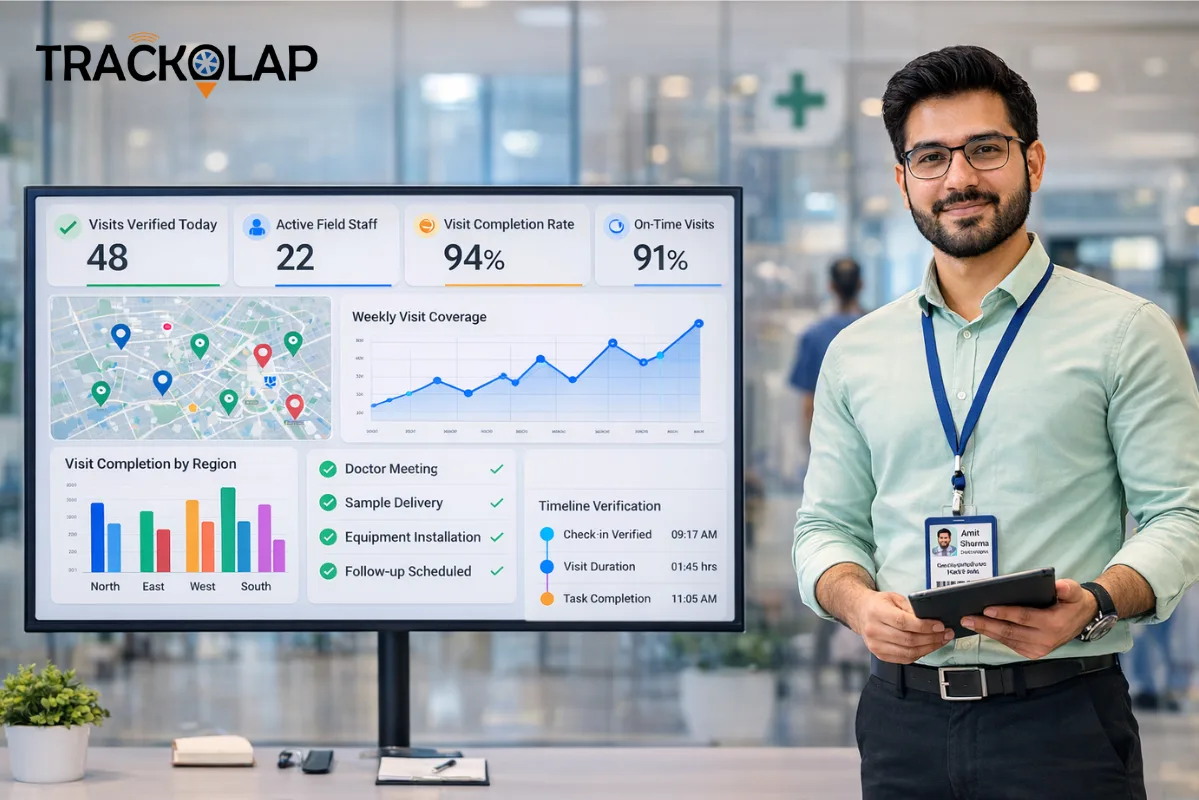
The operational sector of the healthcare industry has unique challenges that are not encountered in any other business environment - a combination of scheduled visits to hospitals, clinics, labs, and partner sites that mostly follow strict timelines and dependencies on those schedules. The manual follow-up process has too much conflict and will fail at each point due to the support for potentially ambiguous data at each stage.
Firstly, timing can be very unpredictable when confirming visits through phone calls or text messages. Even if a visit is confirmed, managers cannot ensure they will have time to adjust if there is a late arrival or cancellation. There may be a missed opportunity to correct issues hours before an office visit or during the delivery of equipment, based on the time limits.
Secondly, the accuracy of the data may be affected when using manual reporting. The data contained within a manual report depends on memory and intention. For example, when reporting the times, locations, and outcomes of visits, most of the time, visits will be reported using approximate time frames with incomplete records.
Lastly, the nature of the operation changes. Instead of focusing on performance review, managers focus their efforts on confirming whether visits occurred at all. The reactive approach to verifying whether visits took place will not be a sustainable model for the future.
Healthcare organisations must implement a way to verify that visits occur during workflow as a seamless process instead of an afterthought.
What “Visit Verification” Really Means in Healthcare
Visit verification does not involve surveillance. It concerns operational certainty. Proper verification of the operations in the healthcare field responds to three fundamental questions:
- Was the visit done where it was supposed to?
- Was it done within the due date?
- Did the tasks or the outcomes expected to be addressed occur?
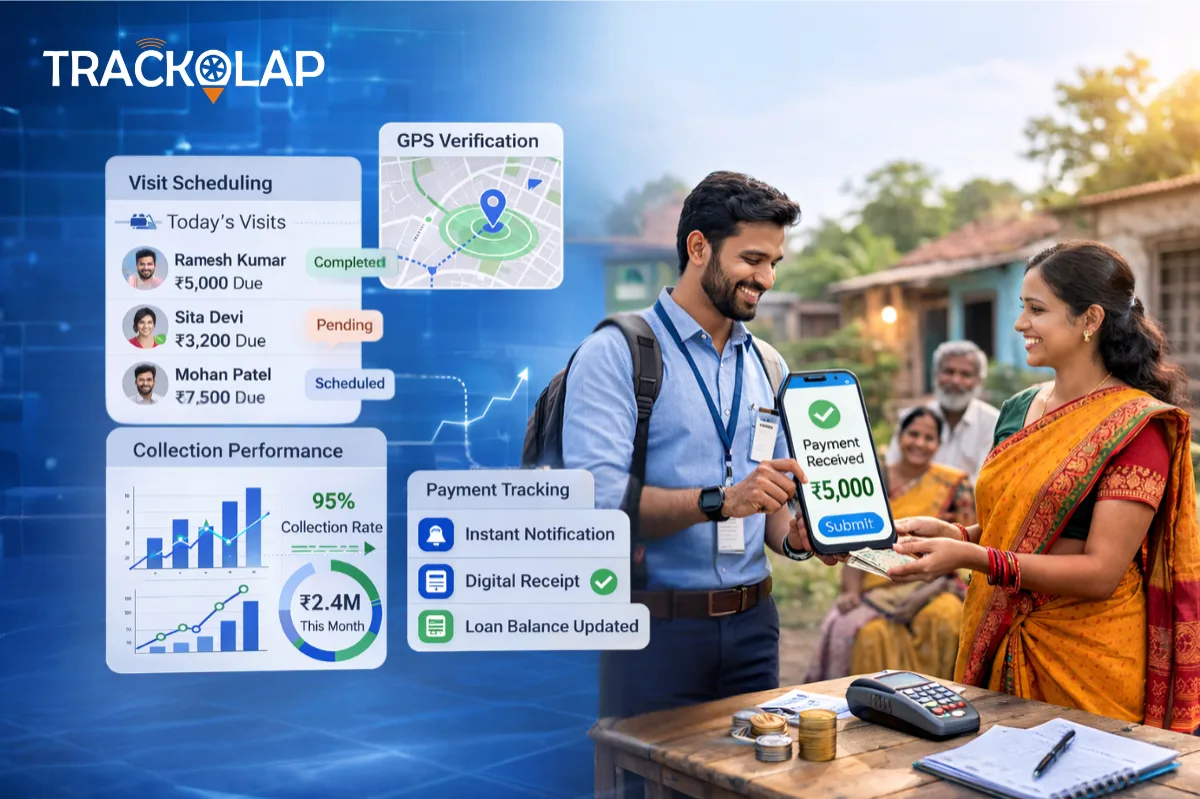
These three signals help determine whether a visit was meaningful and aligned with internal processes. It applies to doctor detailing visits, hospital client meetings, and equipment handovers.
The use of manual confirmation of these signals brings subjectivity. Modern healthcare teams are thus drifting towards system-based verification, where the evidence of the visit is automatically created as a part of field execution.
How Field Sales Automation Simplifies Visit Verification
Many healthcare organizations are adopting field sales Management software to bring a sense of order to day-to-day field operations. Although these systems are traditionally associated with sales, they work equally well for healthcare field operations. They standardize visit planning, execution, and documentation.
Visits are developed as structured events having specific purposes instead of free-form reporting. Field personnel have a digital check-in on arrival at a location and visit status updates on the automatic check-in when they finish a task. It eliminates uncertainties in the process.
Managers do not have to take manual follow-up for a doctor visit or a client meeting. The system reflects it in real-time.
Role of Live Tracking in Eliminating Follow-Ups
The absence of the location context is one of the greatest complexities of manual verification. A visit report can indicate that they were completed, but no details of where and when they were made, thus the verification is weak. Live tracking software is essential in this. Healthcare operations teams can have real-time insight into:
- Which visits are in progress
- Which locations have been covered
- Where delays or deviations are occurring
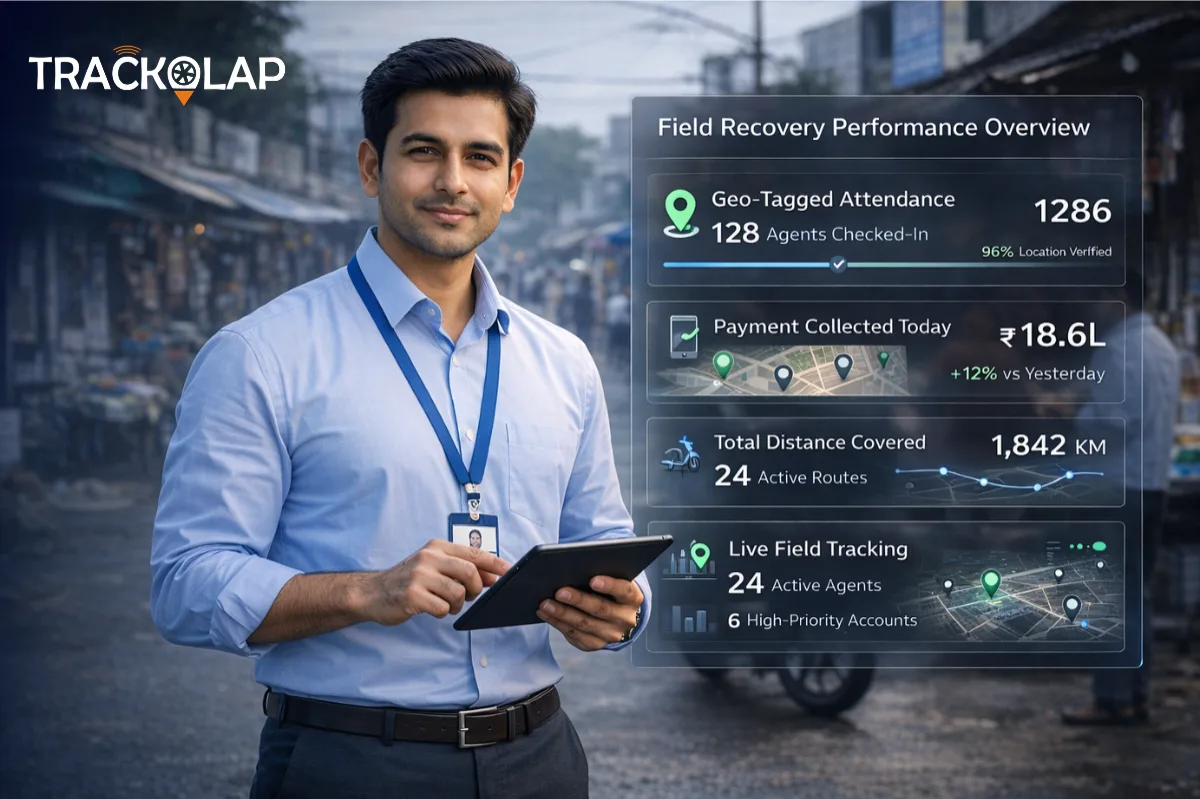
Live tracking does not involve regular supervision. Rather, it gives an assurance that visits are going on as scheduled. In case of exceptions, the managers are notified early enough to take action without necessarily waiting until the end of the day.
Task-Based Visit Execution for Better Accountability
Healthcare visits are rarely one-step undertakings. A visit to the doctor may include a conversation, a sample drop, or a follow-up. A delivery of equipment can consist of dispatch, installation, and confirmation of the handover.
These steps may be included in every visit with the help of task management software. Field staff update the tasks upon completion, thereby forming an audit trail naturally without the need to make additional reporting effort.
This strategy enhances verification by having the following benefits:
- It validates that the visit did not end at the entry stage.
- It records results rather than attendance.
Rather than posing the question: Was the visit done? The managers will have a view of what was actually done during the visit.
Applying Visit Verification Across Healthcare Use Cases
Verification regulations are the same in various scenarios of the healthcare field. In the case of doctor and clinic visits, automation will help in the coverage plans being taken up and ensure that engagement occurs in the appropriate places. Managers receive an opportunity to review the visit frequency, duration, and completion without having to manually check.
For hospital and client visits, verification helps in following relationship-building undertakings and follow-ups coherently and transparently.
For medical equipment delivery and installation, the planned visit tracking is necessary so that delivery, setting up, and handover are registered properly. It minimizes the coordination disjuncture between sales, logistics, and service teams.
The goal is the same for every field operation: eliminate uncertainty without creating additional administrative efforts.
Operational Benefits Beyond Verification
When health care organizations switch to automated follow-ups, which do more than just confirm visits, they no longer need to use manual follow-ups.
Quick decision-making: Real-time visibility will enable managers to address delays or missed visits in real time.
Increased productivity: Field teams also have less time wasted on reporting and more time on planning to do what is required.
Improved compliance: Visit records are structured to facilitate internal audit and compliance.
Scalability: The managerial overhead does not increase with increasing volumes of territories and visits by the teams.
Above all, a change in operations is the shift from reactive verification to proactive management.
What to Consider Before Implementing Automation
The benefits are obvious, but they should be practically implemented.
Healthcare organizations must ensure that the systems are intuitive and simple to operate by field staff, and that they can be operated in diverse network environments, and can seamlessly integrate with the current workflow. Adoption becomes better when tools make work easier and not more complicated.

Effective communication is also vital. Field teams must realize that automation has been put in place to facilitate performing tasks and not to cause stress.
Wrapping Up
The healthcare visit verification that does not require manual follow-up is no longer a luxury of operation. It is a prerequisite for companies that have to deal with the intricate work in the field. Organized visit scheduling, real-time sightseeing, and task execution can remove uncertainty and enable medical workers to work toward an outcome instead of confirmations.
This change can be achieved through the use of platforms such as TrackOlap, which combines field sales automation, live tracking, and task management under one operational perspective. Verification becomes automatic, and healthcare leaders can operate with the understanding required to control doctor visits, client interactions, and equipment work without checking updates.
The best control factor is not the increased number of follow-ups in the modern healthcare field operations, but the improved systems.
Frequently asked questions
How can I track healthcare field staff visits efficiently?
Field sales software automation logs visits, tracks locations, and gives real-time updates.
Can I monitor multiple teams across hospitals, clinics, and pharmacies?
Yes, dashboards bring all the activity of the team together, and some use this centralized visibility across locations.
Is it possible to improve follow-ups and team productivity?
Automation of field sales brings out prospective duties and visits made, and thus, follow-ups can be made on time.
Can visit data help improve operational decisions?
Yes, real-time analytics can offer information about the coverage, team performance, and visit efficiency.
How do I scale field operations without losing control?
Visibility, accountability, and performance tracking are guaranteed by automation even in large distributed teams.




 D-5, Logix Infotech Park, Sector 59, Noida - 201301, Uttar Pradesh (India)
 contactus@trackolap.com
 7011494501






 Demo
at free of cost
Demo
at free of cost