
















 Back to Blogs

Field operations have grown beyond writing logs and waiting until the end of the day to report. In today's world, companies want their on-site teams to be quick, precise, and produce results on the spot for each customer visit. But one thing has been missing for this ecosystem to take off: the collection of payments.
Most of the sales activities happen in the field, but payments often get delayed in follow-ups or manual tracking. It slows cash flow and delays revenue even after the work is done.
Here, Field sales automation software is filling this gap, and the best way to do that is by collecting payments instantly through QR-based UPI. Now, businesses can place QR code generation right within the workflows within the field, changing every engagement with a customer into a completed transaction, not just a recorded one. Each QR has the correct pre-defined collectible amount. Real-time bank confirmation adds to this system as the customer scans and pays through any UPI app, and the information is updated on the system instantaneously without manual reconciliation.
Instead of making payments a separate procedure, organizations are incorporating payments into the core of field execution, making every visit an outcome-oriented visit.
Why UPI QR Collection Is Now Central to Field Sales Strategy
The number of UPIs is unambiguously demonstrative.
In 2025, UPI processed 228.3 billion transactions with a volume of ₹299.7 lakh crore, which showed an increase of 29.3% YoY, according to NPCI.
The Indian financial market regulator, the IMF, has named UPI as the world's largest retail fast-payment system based on the number of transactions, where the share of UPI has increased to 84.8% of retail digital payments by volume.
There is a direct implication for the field-based businesses here, as customers across industries, such as FMCG distributors, pharma stockists, and utility services, already like paying through UPI. The friction is not with the consumers. It's on the business side where payment collection is not directly linked to the field visit.
Traditional ways of collecting worsen this:
The problems with cash handling involve: moderating delays, security concerns, and no real-time confirmation.
Bank transfers require follow-up and manual matching to the order.
Cheque collection will lengthen the payment cycle by days or weeks.
All three are eliminated in QR-based UPI collection. Payment made using a pre-configured QR code at the point of meeting is processed in seconds, automatically associated with the visit record, and the bank confirmation is captured in real time, which will update the business dashboard instantly. It moves the payment process from a follow-up activity to a proactive, verified result of all field visits.
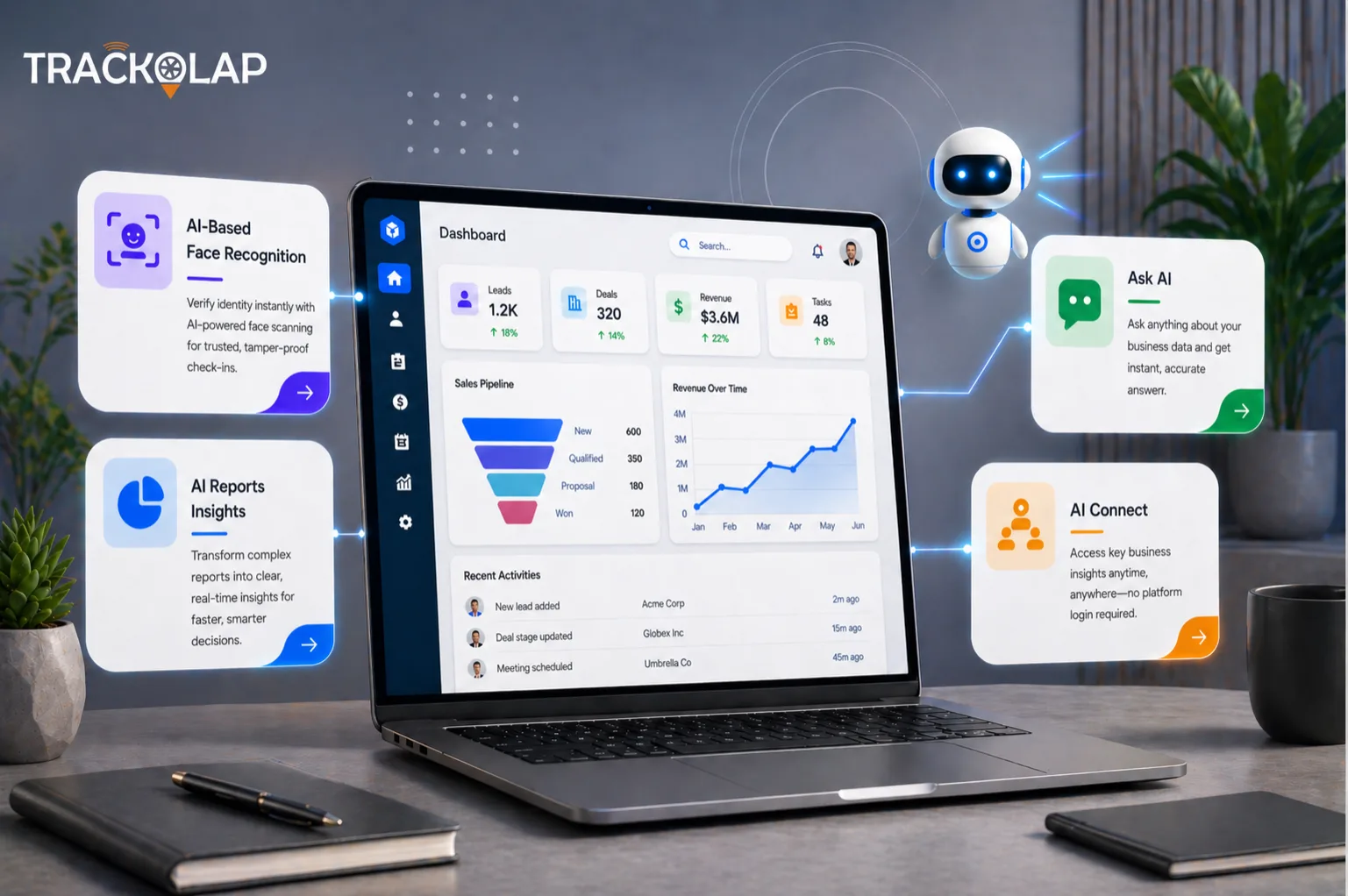
UPI vs. Traditional Payment Collection Methods
Method | Settlement Time | Reconciliation | Real-Time Visibility | Field Integration |
UPI | Instant (seconds) | Automatic | Yes | Native (via app) |
Cash | Immediate physical | Manual, end-of-day | No | No |
Cheque | 2–5 business days | Manual | No | No |
Bank Transfer | Same day to 2 days | Manual matching | Delayed | No |
The comparison makes clear that UPI is not simply a more convenient version of existing methods, it is structurally different in its ability to integrate with field workflows and provide real-time confirmation.
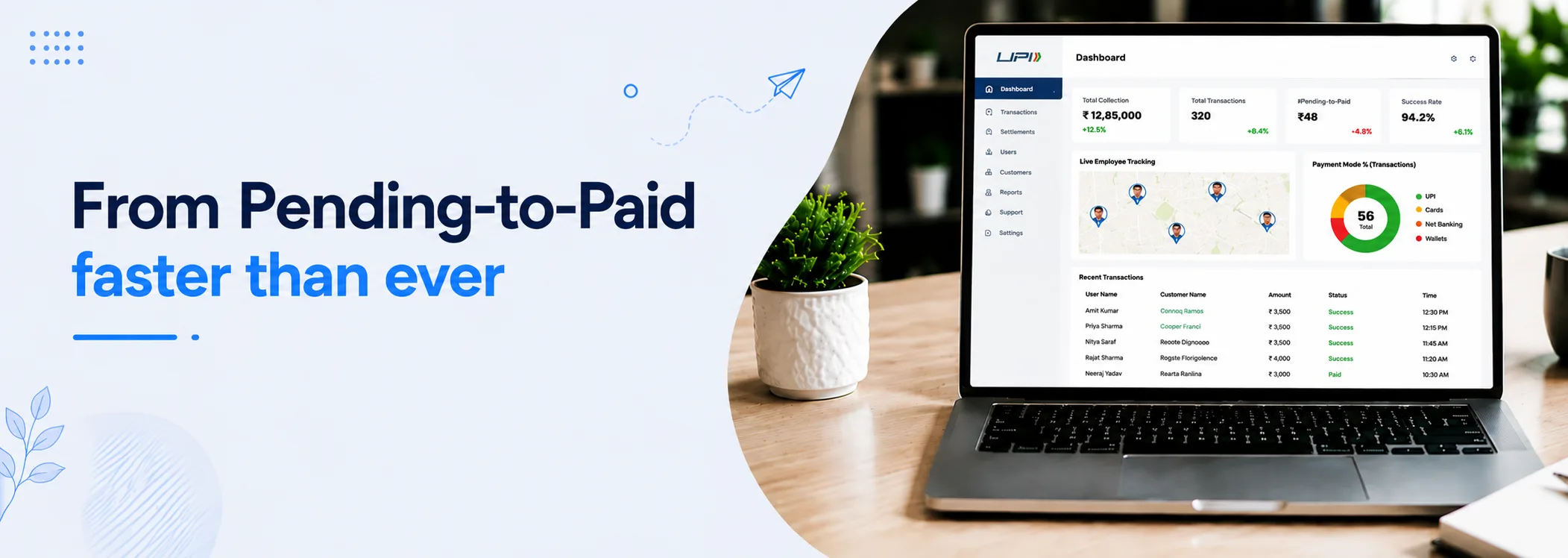
The UPI QR Payment Collection Feature — How It Works
Sales employee tracking software with UPI Payment Collect feature is specifically designed to address the need of field teams to collect payments in a smarter, cashless way while visiting customers. It has its own unique features:
Instant QR-Based Payment Collection
Field representatives generate a QR code on the spot from their mobile app when they visit customers. The customer uses any UPI app to scan the QR and make the payment instantaneously. No cash exchange, no follow-up invoice, no waiting.
Predefined Payment Amounts
The collectible amount is automatically set for each customer; it could be an EMI installment, an outstanding invoice, or a delivery payment. No manual entry by the field rep, thus avoiding errors and ensuring that all collections are accurate to the rupee.
Direct Bank Integration
Funds are paid directly into the linked bank account, with no delays or holding. All payments made are two-factor authenticated, traceable, and secure as the transaction goes through the UPI infrastructure regulated.
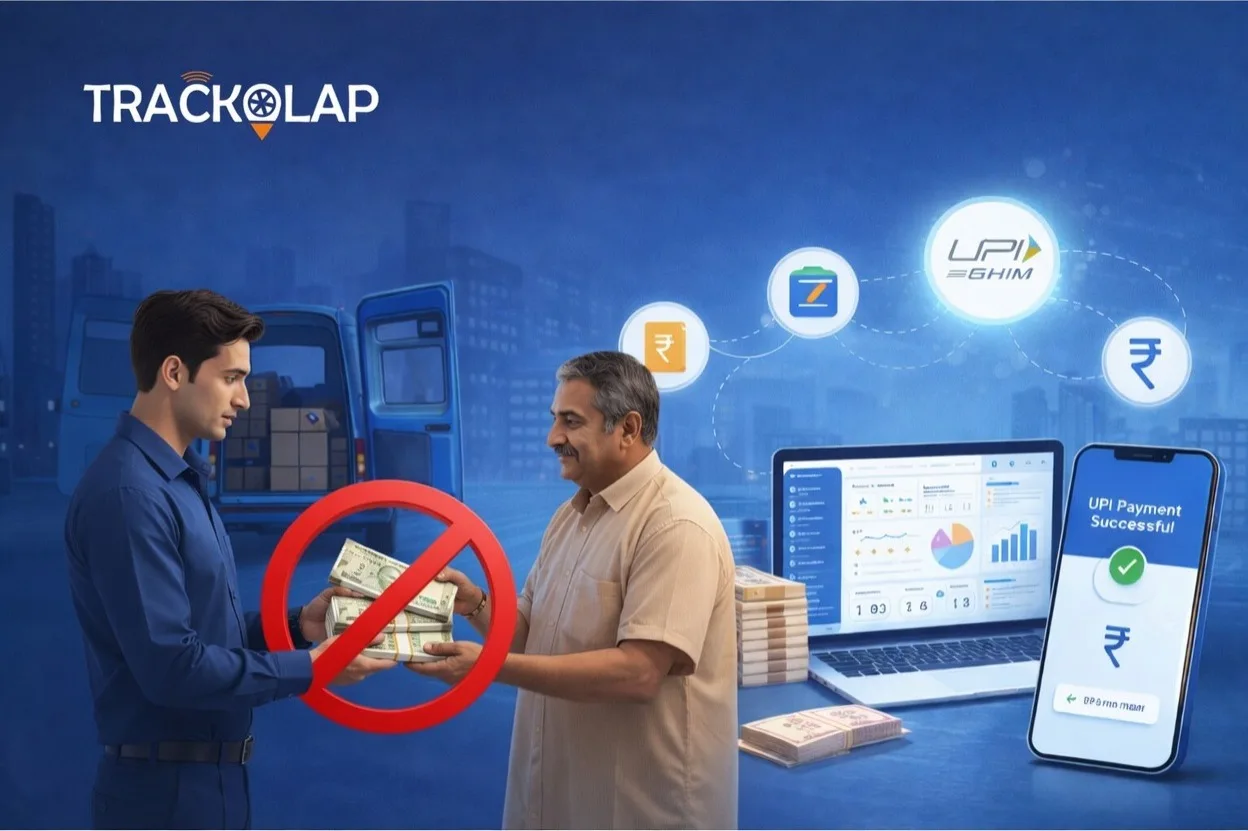
Real-Time Payment Confirmation from the Bank
The system will receive a confirmation from the bank in real-time at the time of payment completion, so that field reps receive immediate confirmation on their device. The business dashboard will also reflect the real-time payment, so they won’t need to manually verify that they received payment, perform end-of-day reconciliation, or deal with any disputes about payments.
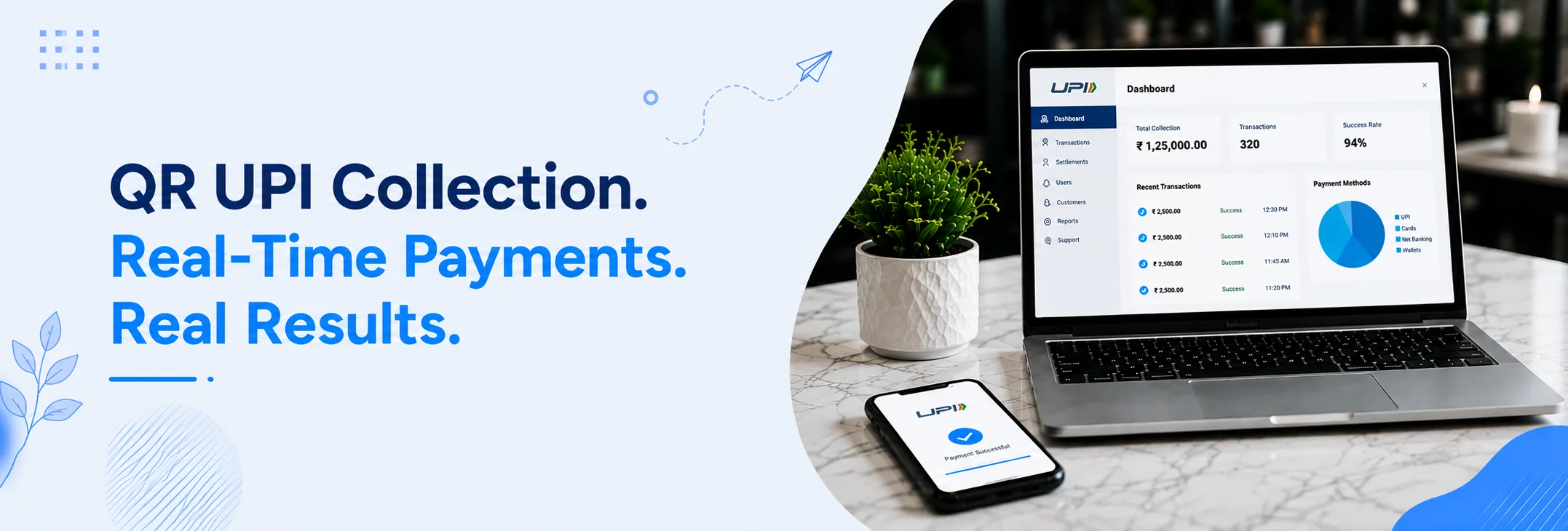
How QR-Based UPI Collection Drives Faster Revenue Realization
The costs of bridging the gap between real-time visibility and the collection of payments are enormous. Depending on the collection method and the efficiency of the follow-up procedures, this gap in traditional models can range from two days to several weeks after the collection.
Field force automation software with QR-based UPI collection and real-time bank confirmation brings that divide down from days to minutes.
There are real impacts on business performance downstream:
Reduced outstanding receivables: Payments received at the time of engagement — and confirmed by bank — equals fewer receivables to deal with at month-end
Better cash flow predictability: Finance teams can now predict cash flows by working on confirmed bank transactions, rather than pending follow-ups
Lower collection cost: Fewer follow-up calls, field revisits, and manual hours in reconciliation all mean lower collection costs.
Higher conversion at point of meeting: Customers are far more likely to pay if they are offered QR at the time of visit, as opposed to being sent an invoice afterwards.
Elimination of cash risk: No security risks, no counting errors, and no disputes on the amount collected.
Field sales automation software by TrackOlap enables companies to gain real-time visibility to payments, enables them to reduce their collections time and delay, improve management of their cash flow, and develop higher efficiency in their field operations. These benefits are especially important to businesses that perform field operations within India, as QR code UPI collection continues to be a faster, more dependable way for them to enhance revenue realization.
Operational Control Through Employee Live Tracking and Payment Visibility
The control of QR-based UPI payments for managers is one of the lesser talked about benefits of having them work in a meeting with Employee Live Tracking.
Employee live tracking and real-time bank-approved payment data on a single dashboard allows managers to track:
Live field activity: Where each representative is, what visits are complete, and what visits are pending
Payment status by representative: Who within the team has received payments (with bank confirmation), and who has not yet received payments.
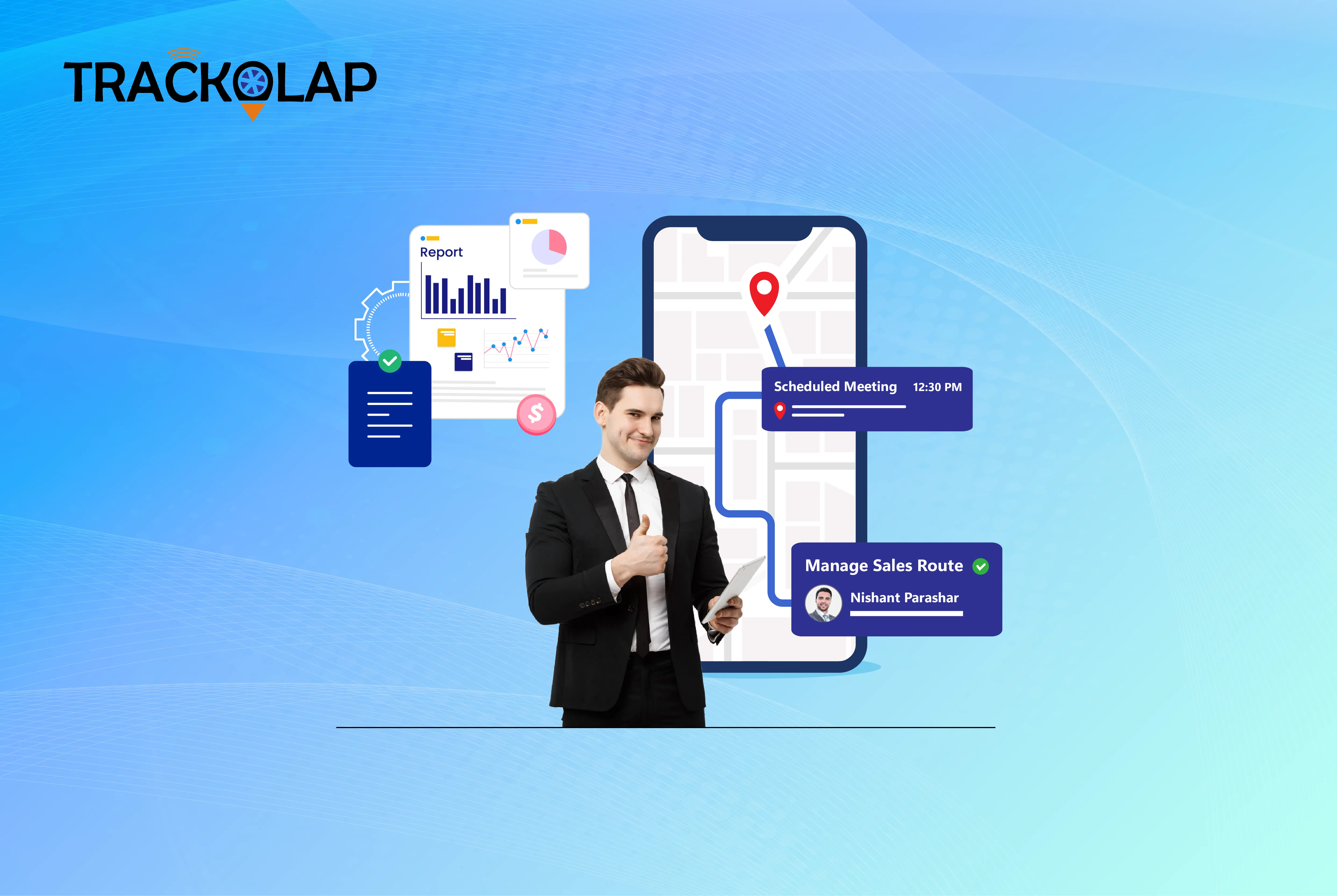
Transaction history per customer: All payments are associated with a particular visit, QR code, order, and date, thus providing a complete audit trail.
This visibility enables managers to take action in advance. For example, making follow-up calls without paying, or spotting trends in the number of EMI balances and modifying field strategies in real time, instead of waiting for later reports.
Each transaction is bank verified, digitally captured, geo-stamped, and tied to a verified visit record; accountability improves significantly. It resolves conflicts over whether a visit took place, whether a payment was made, and whether it's the right amount.
Industries Benefiting Most from QR-Based UPI Collection in Field Operations
QR-based UPI payment collection is revolutionizing the way field-based industries are handling payment collection, handling customers, and monitoring revenue. For businesses that need on-site visits, the transactions can now be done instantly while meeting customers.
Finance Industry: Assists the loan recovery and EMI collection teams in receiving customer payments in real-time, during field visits.
Healthcare: Speeds up payment collection for medical equipment suppliers and healthcare service providers, eliminating manual follow-up.
FMCG: Helps distributors and sales associates process cash payments from retailers on the spot when ordering and stocking.
Agriculture: Supports agri-input suppliers or field teams to receive payments digitally.
These industries can benefit from better cash flow, faster collections, and greater transparency in work operations by directly linking payments to field activities.
Final Thoughts
The integration of payments into field workflows is no longer a luxury but a driver for businesses' successful operation and growth. This can be accomplished by using field sales automation software that enables companies to collect payments via UPI as they work in the field without any delay, gain better visibility, and build an outcome-based field approach.
It will help to enhance the efficiency of operations and the revenue-generating links between the field and the operation will be strengthened.
TrackOlap is built to help ease this transition by integrating UPI payment collecting software, task management, and field tracking, all in one. TrackOlap helps organizations move towards faster, smarter, and more flexible growth by helping businesses to coordinate their field and payment efforts seamlessly.
Frequently asked questions
How does field sales automation software support UPI payment collection?
Field sales automation software helps salesmen to create UPI payment requests on the spot with their mobile devices. Every transaction is automatically connected with the corresponding visit data, order, and customer profile, eliminating manual reconciliation and ensuring a seamless end-to-end digital workflow from sales interaction to payment confirmation.
Why is UPI payment collection important for field sales teams?
For field sales teams, this collection of UPI payments is essential as it helps remove the lag time between delivery and receipt of payment. On-site collections lead to lower receivables, fewer follow-up calls after the visit, and better cash flow visibility.
Can UPI payment collection software reduce payment delays in field operations?
Yes. Payment collection software for UPI simplifies the payment process, making it faster and more efficient by allowing real-time transactions at the point of engagement. As opposed to conventional settlements like cash handling or cheque collection, UPI settlements are almost instant.
How does sales force automation software improve revenue collection efficiency?
Sales force automation software boosts revenue collection efficiency by enabling the initiation of payments during the sales visit. Representatives no longer have to use multiple tools and manually track payments; they can request, confirm, and record payments in one place.
Is UPI payment collection secure for field sales transactions?
Yes. UPI payment collection is extremely safe for field sales transactions. This translates into traceable, compliant, and secured field payments for businesses, which gives them confidence and trust in their business and its customers.


 D-5, Logix Infotech Park, Sector 59, Noida - 201301, Uttar Pradesh (India)
 contactus@trackolap.com
 7011494501






 Demo
at free of cost
Demo
at free of cost