














 Back to Blogs
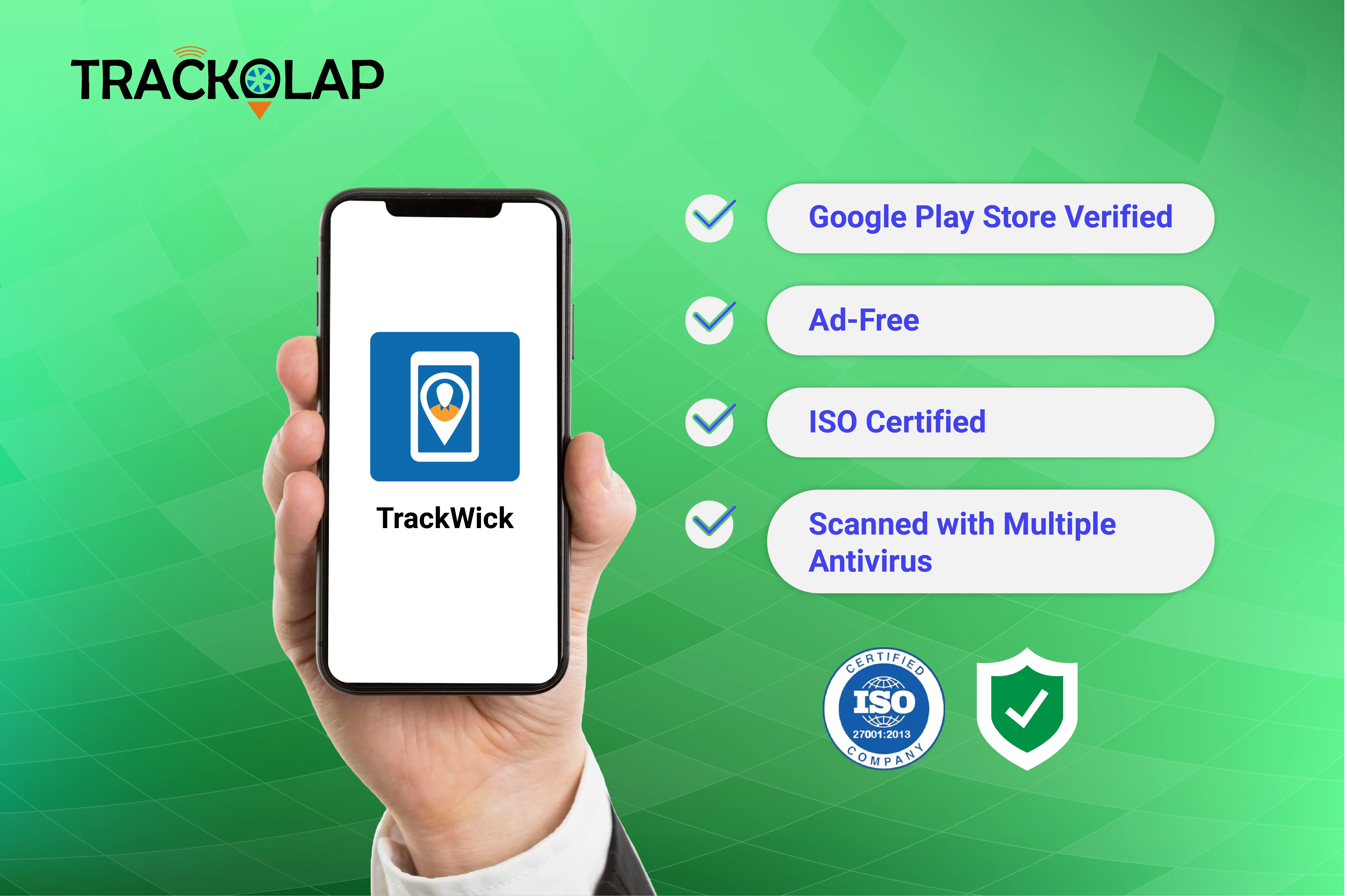
Recently, users of Oppo and Realme smartphones have reported receiving warnings about the TrackWick app, which is being flagged as a potential security risk by the pre-installed device security applications. The notifications raise concerns among users about TrackWick's safety, despite the fact that it is a Google Play Store verified and trusted app.
False flagging in mobile security isn’t new, but it can create confusion and mistrust among users. Here, we’ll explore Why You Shouldn’t Worry About TrackWick, and how to handle this issue confidently.
What is TrackWick?
TrackWick is an application designed to help users manage their tasks, projects, and location tracking efficiently. It typically features tools for meetings tracking progress, setting reminders, and organizing information, making it suitable for professional use. The app aims to enhance productivity by providing users with a streamlined way to keep track of their commitments and deadlines.

Why You Shouldn’t Worry About TrackWick
TrackWick is a verified app on the Google Play Store, meaning it has passed Google’s rigorous security checks for safety and reliability. Google’s Play Protect mechanism actively scans apps for malware, making the Play Store one of the most secure sources for Android applications. Here’s why TrackWick can be trusted:
Verified and Regularly Monitored: Google Play Store’s verification process confirms TrackWick as a secure app, and it remains under constant monitoring for any unusual activity.
Clear and Transparent Permissions: TrackWick only requests permissions essential for its core functionalities, such as tracking activity data. These permissions are clearly explained, and users can control their settings to ensure they’re comfortable with the access provided.
Data Protection Practices: TrackWick follows industry-standard data protection practices to safeguard user information. The app uses data only with user consent and provides settings to control data sharing, enhancing transparency and control.
What Users Can Do to Address False Flagging on Oppo and Realme
If you’re a TrackWick users and have encountered a security warning, here are some steps you can take to manage the situation effectively:
1. Whitelist the app: Go to Phone Manager > Virus Scan/Virus & Risks > Click the scanned virus > Add to the whitelist > Check “I agree” and add.
2. OR, If prompted with “Fix” on the payment protection page, click “Fix” > “Add allow list” > Check “I agree” and add.

The Role of Mobile Security in a Trusted App Ecosystem
As smartphone brands strive to ensure users’ safety, it’s important to strike a balance between stringent security and allowing trusted apps to function optimally. Apps like TrackWick are designed to offer users more control over their activities, routines, and productivity. By falsely flagging verified and trusted apps, device security systems may inadvertently cause users to lose access to helpful tools they rely on. Smartphone brands should inform the app developers before raising such false positives.
Final Thoughts
False flagging of TrackWick as a risk on Oppo and Realme devices is, ultimately, an error in the detection algorithm that overlooks TrackWick’s status as a Google Play verified app. Users can rest assured that TrackWick App is safe, and by taking the appropriate steps to manage this flagging issue, they can continue benefiting from the app’s functionalities. As always, staying informed and proactive helps users get the most out of both their mobile security solutions and the apps they trust.
Frequently asked questions
What are the key takeaways from "Understanding False Flagging of TrackWick as a Risk on Oppo and Realme Devices"?
Recently, users of Oppo and Realme smartphones have reported receiving warnings about the TrackWick app, which is being flagged as a potential security risk by the pre-installed device security applications.
What is TrackWick?
TrackWick is an application designed to help users manage their tasks, projects, and location tracking efficiently. It typically features tools for meetings tracking progress, setting reminders, and organizing information, making it suitable for professional use. The app aims to enhance productivity by providing users with a streamlined way to keep track of their commitments and deadlines.
Why You Shouldn’t Worry About TrackWick?
TrackWick is a verified app on the Google Play Store, meaning it has passed Google’s rigorous security checks for safety and reliability. Google’s Play Protect mechanism actively scans apps for malware, making the Play Store one of the most secure sources for Android applications. Here’s why TrackWick can be trusted:



 D-5, Logix Infotech Park, Sector 59, Noida - 201301, Uttar Pradesh (India)
 contactus@trackolap.com
 7011494501






 Demo
at free of cost
Demo
at free of cost